
Master the Basics with Essential Sewing Techniques

Updated: Jan 21
Starting to sew can feel overwhelming, but it doesn’t have to be. I remember my first time sitting in front of a sewing machine, unsure of where to begin. The good news is that sewing is a skill anyone can learn with the right guidance and practice. Today, I want to share some essential sewing techniques that will help you build a strong foundation. Whether you want to create your own clothes, craft home decor, or even start a small business, mastering these basics is the first step.
Sewing is a rewarding hobby that combines creativity and practicality. With patience and the right approach, you’ll be amazed at what you can make. Let’s dive into the essential sewing techniques that will set you up for success.
Understanding Your Sewing Machine and Tools
Before you start stitching, it’s important to get comfortable with your sewing machine and tools. Knowing how your machine works will save you time and frustration.
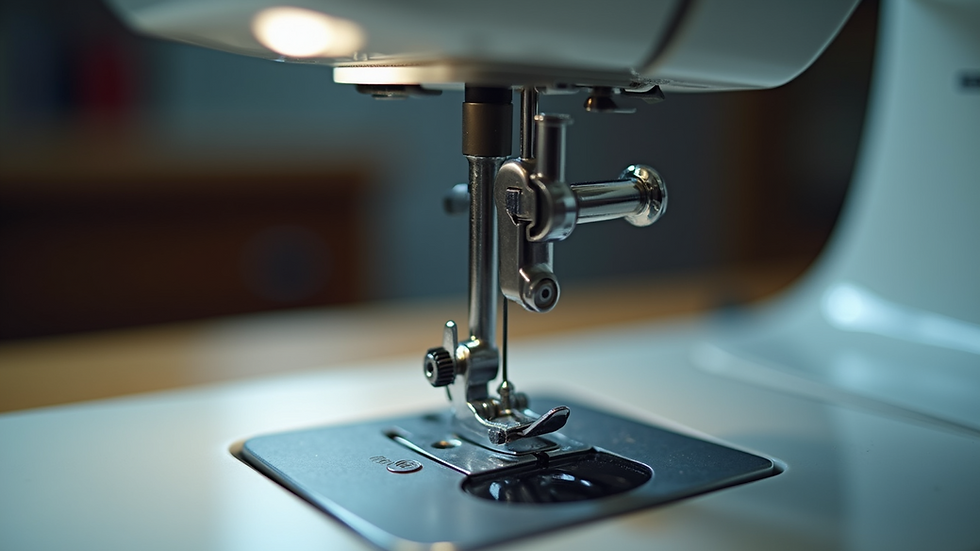
Familiarize yourself with the parts: Learn where the spool, bobbin, needle, presser foot, and tension dial are located.
Threading the machine: Practice threading the upper thread and winding the bobbin. This step is crucial for smooth sewing.
Adjusting settings: Understand how to change stitch length and width. Start with a straight stitch for most projects.
Essential tools: Keep handy scissors, pins, measuring tape, seam ripper, and fabric chalk or markers.
Take your time to read the manual that comes with your machine. It’s your best friend when learning. If you get stuck, watching a quick tutorial online can help clarify tricky steps.
Essential Sewing Techniques to Master
Now that you know your machine, let’s talk about the essential sewing techniques you need to master. These techniques form the backbone of every sewing project.
1. Straight Stitching
The straight stitch is the most basic and commonly used stitch. It’s perfect for seams, hems, and topstitching.
Practice sewing straight lines on scrap fabric.
Keep your fabric aligned with the machine’s guide marks.
Use a moderate stitch length for most seams.
2. Backstitching
Backstitching secures your stitches so they don’t unravel.
Sew forward a few stitches.
Sew backward over the same stitches.
Continue sewing forward again.
3. Zigzag Stitch
The zigzag stitch is useful for finishing raw edges to prevent fraying.
Adjust the stitch width and length to suit your fabric.
Sew along the edge of the fabric.
4. Seam Finishing
Seam finishing keeps your project looking neat and professional.
Use pinking shears to cut edges.
Sew a zigzag stitch along raw edges.
Try French seams for delicate fabrics.
5. Hemming
Hemming is folding and sewing the edge of fabric to prevent fraying and create a clean finish.
Fold the fabric edge twice.
Press with an iron.
Sew close to the folded edge.
Practicing these techniques regularly will build your confidence and improve your sewing quality.
Step-by-Step Guide to Your First Sewing Project
Starting with a simple project is the best way to apply what you’ve learned. I recommend making a basic tote bag or pillowcase. These projects use straight seams and simple shapes.
Materials Needed
Cotton fabric (1/2 yard)
Thread matching your fabric
Scissors, pins, measuring tape
Sewing machine
Instructions
Cut your fabric: Cut two rectangles of equal size (e.g., 16 x 14 inches).
Pin the pieces: Place the fabric pieces right sides together and pin along the edges.
Sew the seams: Using a straight stitch, sew around three sides with a 1/2 inch seam allowance. Remember to backstitch at the start and end.
Finish the seams: Use a zigzag stitch or pinking shears to finish raw edges.
Turn right side out: Pull the fabric through the open side.
Hem the opening: Fold the raw edges in twice, press, and sew.
Topstitch (optional): Sew around the top edge for a polished look.
This project is simple but teaches you how to cut, pin, sew, and finish seams. It’s a great confidence booster.

Tips for Staying Motivated and Improving Your Skills
Learning to sew takes time, but staying motivated is key. Here are some tips that helped me and can help you too:
Set small goals: Focus on mastering one technique at a time.
Practice regularly: Even 15 minutes a day can make a difference.
Join a community: Connect with other sewers online or locally for support.
Use quality materials: Good fabric and thread make sewing easier and more enjoyable.
Keep a sewing journal: Track your projects, what you learned, and what to improve.
Remember, mistakes are part of learning. Don’t be afraid to rip out stitches and try again. Every stitch brings you closer to mastery.
If you want a structured approach, consider enrolling in beginner sewing lessons that offer personalized guidance and hands-on practice.
Taking Your Sewing Skills to the Next Level
Once you feel comfortable with the basics, it’s time to challenge yourself with more complex projects. Try sewing garments like skirts, shirts, or dresses. Learn to read patterns and adjust them to fit your measurements.
Experiment with different fabrics such as knits, silks, or denim. Each fabric behaves differently and will teach you new skills.
Consider exploring:
Zippers and buttonholes
Darts and pleats
Lining and interfacing
Decorative stitches and embroidery
These techniques will expand your sewing repertoire and open up endless creative possibilities.
Conclusion: Your Sewing Journey Begins Here
Sewing is a journey, and every project is a step forward. Keep practicing, stay curious, and enjoy the process of creating something unique with your own hands. With dedication and the right instruction, you can turn your sewing dreams into reality.
Mastering essential sewing techniques is the foundation for all your future projects. Whether you want to make simple home accessories or design your own clothing line, these basics will serve you well. Keep practicing, stay patient, and don’t hesitate to seek help when needed. Your sewing adventure starts now!
---wix---

Comments